• Navigation icon for News

    News

    • US Food
    • UK Food
    • Drinks
    • Celebrity
    • Restaurants and bars
    • TV and Film
    • Social Media
  • Navigation icon for Cooking

    Cooking

    • Recipes
    • Air fryer
  • Navigation icon for Health

    Health

    • Diet
    • Vegan
  • Navigation icon for Fast Food

    Fast Food

    • McDonalds
    • Starbucks
    • Burger King
    • Subway
    • Dominos
  • Facebook
    Instagram
    YouTube
    TikTok
    X
  • Advertise
  • Terms
  • Privacy & Cookies
  • LADbible Group
  • LADbible
  • UNILAD
  • SPORTbible
  • GAMINGbible
  • Tyla
  • UNILAD Tech
  • License Our Content
  • About Us & Contact
  • Jobs
  • Latest
  • Archive
  • Topics A-Z
  • Authors
Facebook
Instagram
YouTube
TikTok
X
Submit Your Content
'Dirty Dozen' list unveiled for 2026 - here are all the foods you should avoid

Home> Health

Updated 21:15 27 Mar 2026 GMTPublished 21:09 27 Mar 2026 GMT

'Dirty Dozen' list unveiled for 2026 - here are all the foods you should avoid

Your next fruit shop could need a second look if you're in the States

Ben Williams

Ben Williams

google discoverFollow us on Google Discover
Featured Image Credit: alicjane/Getty Images

Topics: Health, US Food

Ben Williams
Ben Williams

Advert

Advert

Advert

The Dirty Dozen is back for 2026, which means shoppers have once again been handed a list that manages to make the fruit and veg aisle feel a bit more of a minefield than usual.

Every year, the Environmental Working Group puts out its roundup of the conventionally grown produce it says carries the highest pesticide residue by the time it reaches supermarket shelves.

The annual list has become one of the most closely watched produce guides in the US, landing at a time when shoppers are already thinking harder about what goes in the trolley and whether organic options are really worth the extra spend. This year’s guide looked at 47 items in total, with EWG singling out 12 conventionally grown foods as the most contaminated.

Whilst the name makes it sound like a blacklist, the list is really aimed at helping people decide which staples they may want to avoid buying non-organic where possible. This year’s update is likely to get attention again, not least because one of the most commonly eaten vegetables in America has now joined the ranking.

Advert
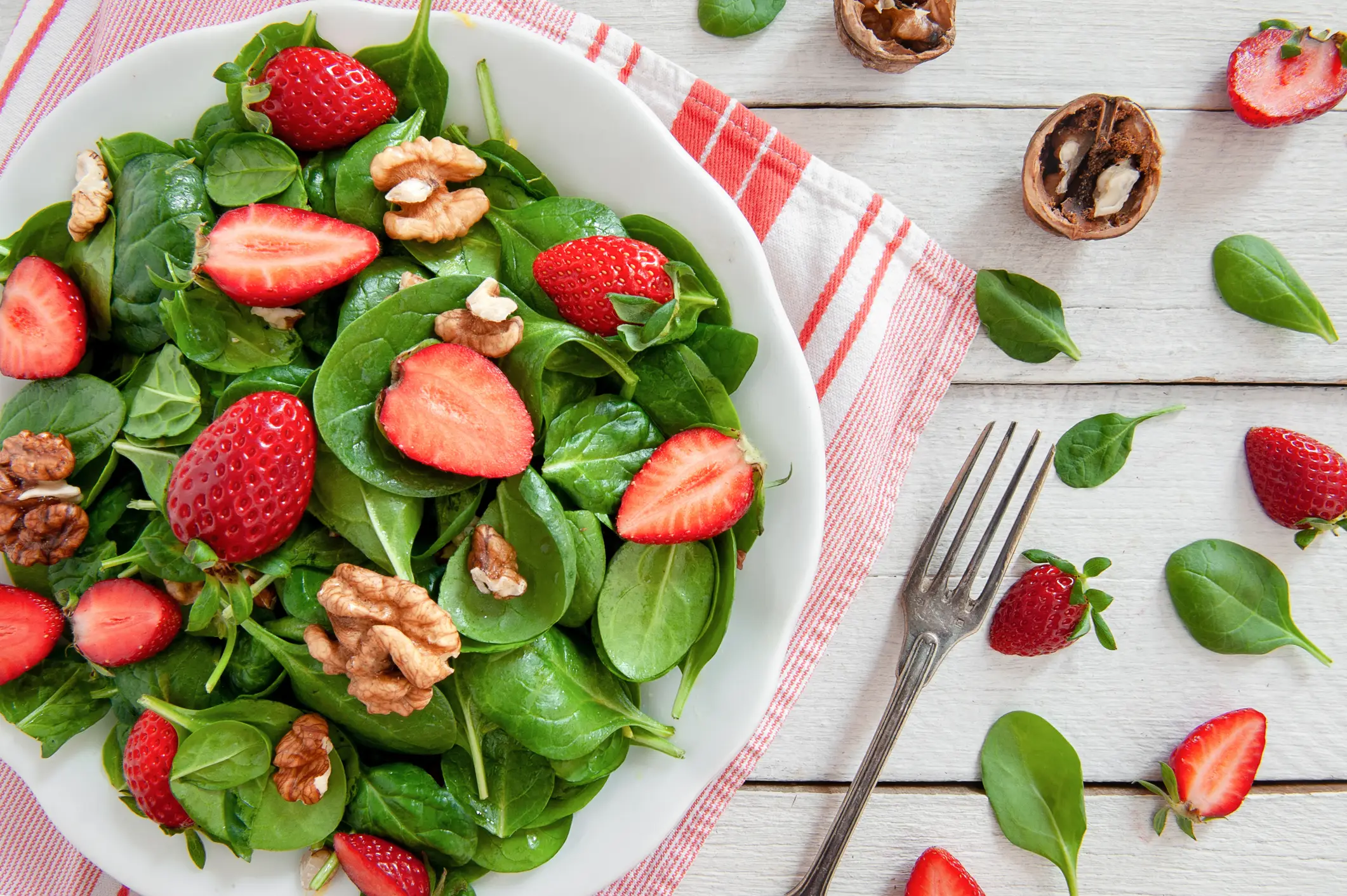
Spinach topped EWG’s 2026 Dirty Dozen list once again, whilst strawberries stay high (Secha6271/Getty Images)

The 2026 Dirty Dozen, in order:

  • Spinach
  • Kale
  • Collard and mustard greens
  • Strawberries
  • Grapes
  • Nectarines
  • Peaches
  • Cherries
  • Apples
  • Blackberries
  • Pears
  • Potatoes
  • Blueberries
(Minh Hoang Cong/500px/Getty Images)

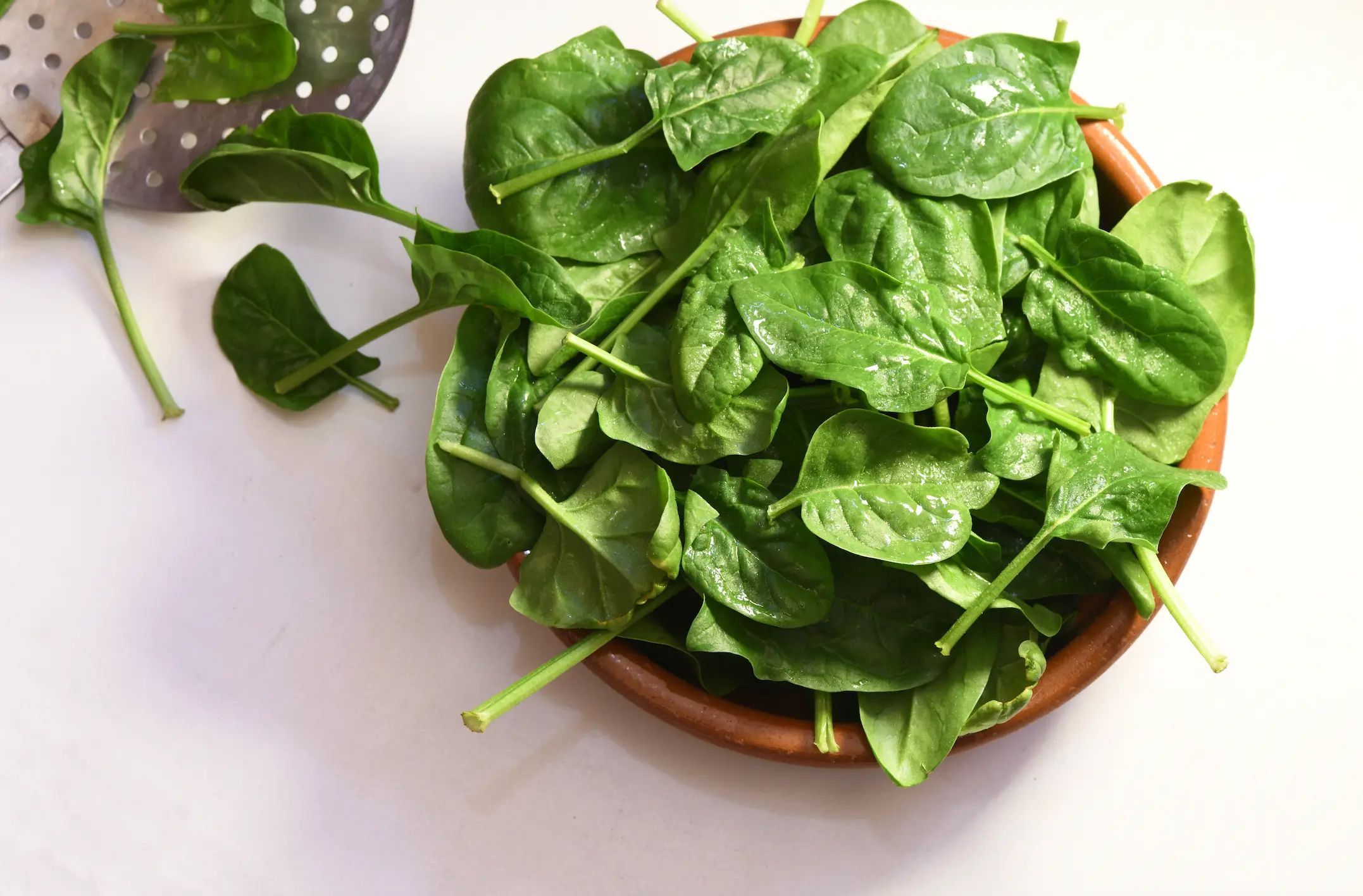
Spinach has taken the top spot again, with EWG saying it has more pesticide residues by weight than any other type of produce. Leafy greens were another major focus, with the group saying more than half of the kale samples were tainted by a possibly cancer-causing pesticide.

Strawberries also remain high on the list, with EWG noting that the average American eats about eight pounds of fresh strawberries a year ‘and with them, dozens of pesticides’.

Elsewhere, peaches were flagged as packing ‘a punch when it comes to pesticide contamination’, while apples were described as being 'doused with chemical after harvest'. Blackberries are one of the more notable inclusions, too, with their appearance on the list following USDA testing of the fruit for the first time in 2023.
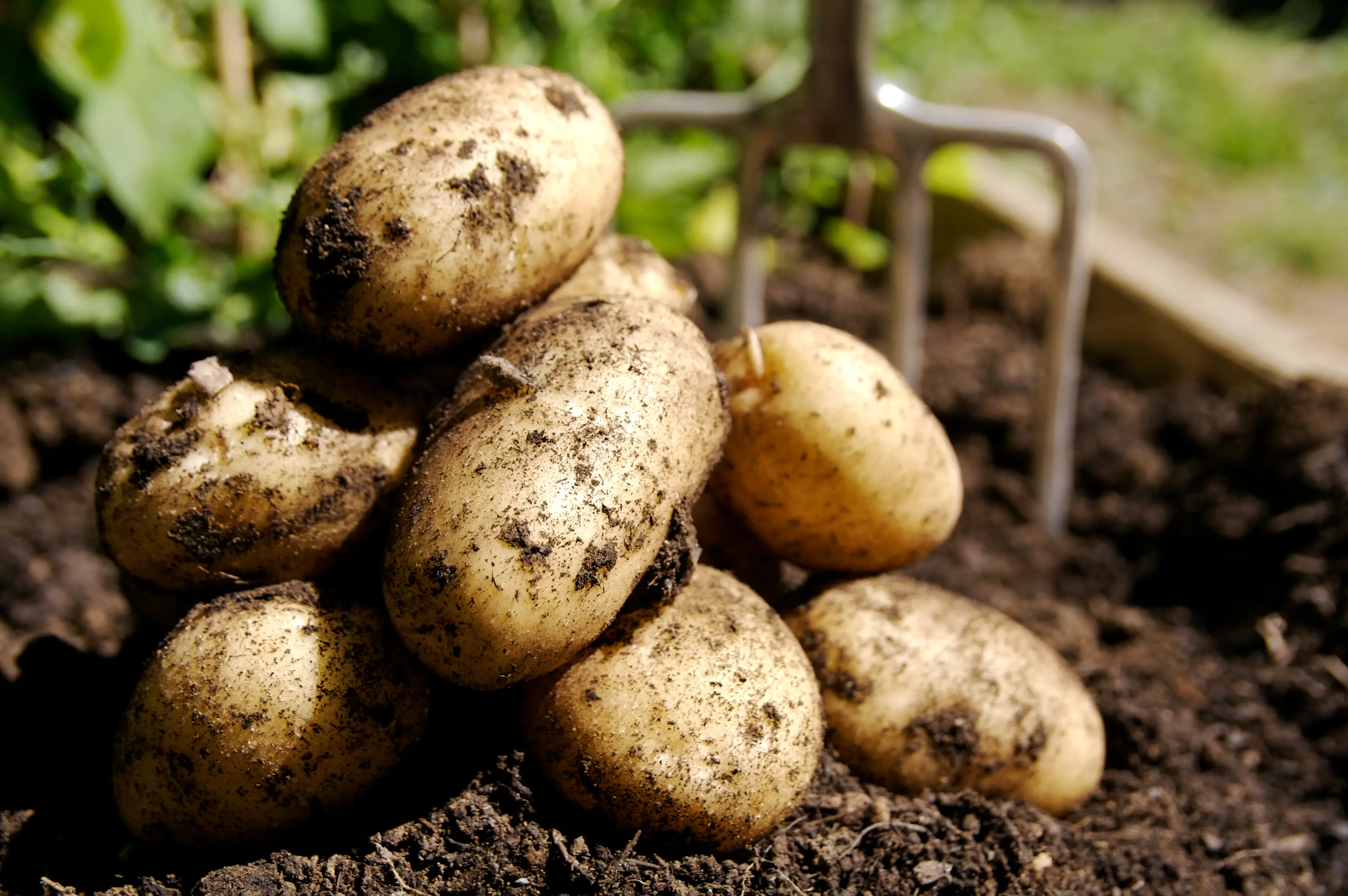
Potatoes, America’s most consumed vegetable, has now joined EWG’s pesticide watchlist(johnnyscriv/Getty Images)

What will be one of the biggest talking points, though, is potatoes. EWG says the most consumed vegetable in the US has joined this year’s Dirty Dozen, giving shoppers another everyday item to think twice about. Blueberries have also returned, with the group saying they contain traces of several toxic pesticides.

Even so, the list is not being presented as a reason to stop eating fruit and veg. EWG’s list is more about reducing exposure where possible than cutting produce out altogether.

As noted by Simply Recipes, Washing fruit and vegetables in a solution of water and baking soda helps reduce leftover pesticide residues. Alternatively, check out the EWP’s Clean Fifteen list for the lowest pesticide alternatives to swap some of the dirty dozen with.

Choose your content:

2 days ago
5 days ago
  • Instagram/@doctoramirkhan
    2 days ago

    Doctor Amir Khan shares key habit he does every day before first cup of coffee

    The TV doctor’s simple ritual could change your morning

    Health
  • Olga Pankova/Getty Images
    5 days ago

    Study reveals how one simple habit could help you eat better without even realising

    A surprising everyday behaviour may shape what ends up on your plate

    Health
  • Milan Markovic/Getty Images
    5 days ago

    Cardiologists share the one food they tell their patients to eat

    Healthy eating shouldn't always be reductive...

    Health
  • BSIP/Contributor/Getty Images
    5 days ago

    Warning to anyone who eats yoghurt over '3-4-3' rule

    It's something that shoppers may be getting all wrong

    Health
  • 10 common foods that experts say you should 'never buy again'
  • Why you should alway use 'sponge method' to cook bacon
  • All the foods that secretly damage your skin
  • Dieticians share 6 foods you should eat for better bone health